
Search
Additional Links Contact Us- Phone: +1 (704)-588-1794
- Toll-Free: +1 (800) 269-7409
- Fax: +1 (704) 588-1821
- Email: [email protected]


ProMach is your partner from start to finish. Our product brands are grouped into distinct business lines that make the most sense to our customers, covering every function of the production line: Filling, Bottling & Capping, Decorative Labeling, Flexibles & Trays, Pharma, Handling & Sterilizing, Labeling & Coding, Robotics & End of Line, and Systems & Integration.
learn more


The beverage industry is undergoing a rapid and significant transformation. This change is being fueled by several key factors: evolving consumer priorities, the emergence of new market players and increasing operational expenses.
Understanding these shifts is critical for craft brewers and beverage producers who want to stay ahead. From packaging innovation to sustainability initiatives, here’s what the canned beverage industry can expect in 2026 and how businesses can prepare for the future.
There’s no denying that the canned beverage industry has seen remarkable growth in recent years, despite some massive worldwide events. In 2021, the global canned beverage market reached a value of $36.49 billion — and it’s forecasted to reach $49.75 billion by 2027.
Today, we see the market continuing to grow, with rising demand for aluminum canned beverages, including premium craft beers, local artisanal beverages, ready-to-drink (RTD) products, coffees, teas, and functional, health-conscious beverages like low-sugar sodas and sparkling waters.
But what exactly does the future hold for the canned beverage industry — and how can craft brewers and beverage manufacturers work to prepare themselves in response?
Although there are a variety of factors strongly influencing unbridled canned beverage industry growth, here are six key trends that are playing an especially important role in this market’s development this year.
Sustainability will be central to consumer purchasing decisions in 2026, with eco-conscious buyers increasingly prioritizing products and brands that demonstrate environmental responsibility.
Even with ongoing concerns about inflation and the cost of living, consumers indicate a willingness to pay an average of 9.7% more for products that are sustainably sourced or produced. This trend positions environmentally friendly packaging as a significant competitive advantage.
Aluminum cans remain a top choice for circular packaging because they can be endlessly recycled without losing quality, making them ideal for beer, RTDs, wine, kombucha, and more.
Beyond cans, multipack carriers are evolving: lightweighting and material innovations reduce plastic use without sacrificing durability or recyclability.
Roberts PolyPro leads the way with biodegradable* Grip-Pak® can rings, which cost just $0.05 per unit while maintaining performance and reliability. Additionally, our Craft-Pak® and Craft-Pak® Versa can carriers already use up to 30% less plastic than competitor options, and are available in 100% bio** and post-consumer recycled (PCR) formats.
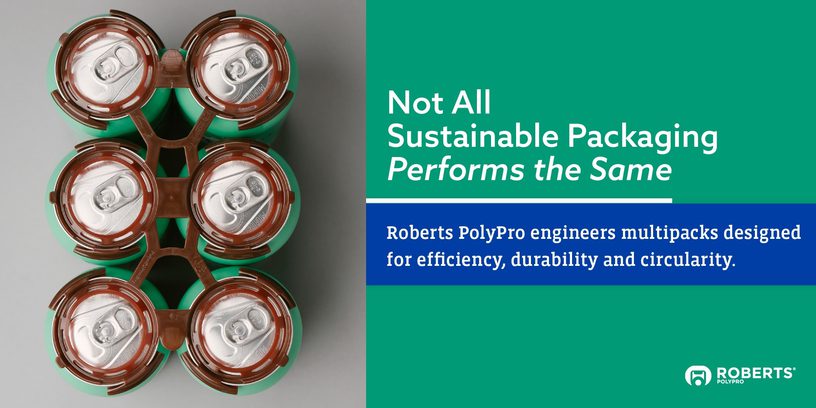
Both solutions align with growing consumer demand for eco-friendly options while maintaining functionality.
Sustainability extends across the production line as well. ID Technology lasers for can coding eliminate hazardous chemicals and reduce consumable waste, while CL&D focuses on recyclable and reusable flexible packaging and digital short-run solutions, helping brands meet 2026 expectations for circular, eco-conscious operations.
The beverage industry is witnessing a notable evolution with the emergence of smart and functional beverages that seamlessly integrate technology to elevate consumer experiences.
One significant trend is interactive packaging, such as QR codes and smart labels, offering consumers a dynamic and engaging way to prioritize their well-being.
By scanning a QR code on the packaging, consumers can access a wealth of information about the product, including its origin, nutritional content and even suggested pairings.
This interactive element not only enhances the consumer experience but also fosters transparency, enabling them to make informed choices aligned with their preferences and values.
To continue, we couldn’t discuss technology in the canned beverage industry without mentioning automation.
Many beverage manufacturers are turning to Wexxar Bel’s semi-automatic packaging solutions to increase productivity and improve production rates, all while maintaining the integrity of the end product.
Paired with a Roberts PolyPro can handle applicator, it’s possible to completely automate your packaging line and create a more efficient and effective end solution.
Today’s buyers are looking beyond traditional canned beverage options, favoring varieties that support wellness without sacrificing flavor or convenience.
This shift has fueled growth in low-calorie and sugar-free formulations, as well as functional beverages designed to deliver added benefits. Canned drinks infused with electrolytes, vitamins, minerals, antioxidants, adaptogens, and herbal extracts are becoming mainstream, appealing to consumers seeking hydration, energy and overall well-being in an RTD format.
At the same time, demand for non-alcoholic and low-alcohol beverages continues to rise. Driven by health-conscious consumers and the growing mindful drinking movement, these options offer flavorful, premium experiences without alcohol’s associated health impacts.
From alcohol-free beers and mocktails to craft-inspired alternatives, the category is expanding with sophisticated flavor profiles and elevated branding.
Non-alcoholic beverages are also gaining broader social acceptance, reducing stigma and creating more inclusive choices for a wide range of consumers. Many of these products deliver functional and wellness benefits, reinforcing their appeal while supporting long-term lifestyle goals.
As competition in the canned beverage space intensifies, premiumization has become a key growth lever for brands looking to stand out on crowded shelves.
In 2026, consumers are increasingly willing to pay more for beverages that feel elevated, intentional and aligned with their values, shifting premium from a “nice to have” to a strategic necessity.
Premiumization today goes far beyond price point. It’s driven by design-led storytelling, tactile packaging experiences and visual cues that communicate quality at first glance. Sleek can finishes, bold typography, minimalist branding, and thoughtful use of color and texture all play a role in capturing attention and reinforcing brand positioning.
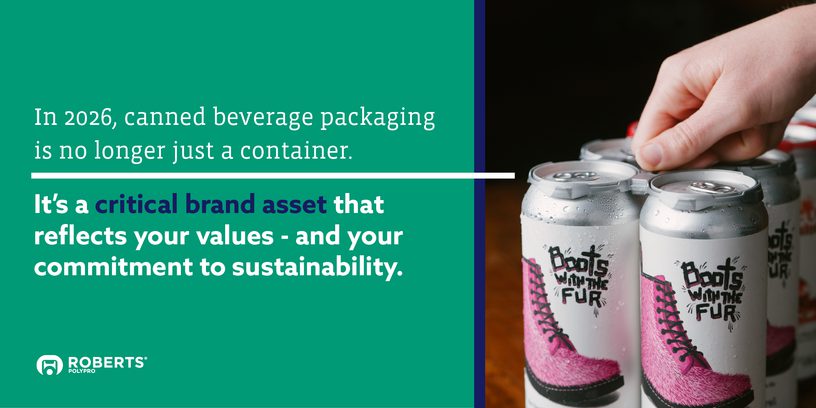
Functionality is also becoming part of the premium equation. Consumers expect packaging that is easy to carry, intuitive to use and durable across retail and on-the-go environments. Smart handle design, well-engineered multipack solutions and clean application all contribute to perceived value, particularly for craft, RTD and specialty beverages.
Customization and limited-edition packaging further fuel premium appeal. Short runs, seasonal releases and market-specific designs allow brands to create urgency and exclusivity while strengthening emotional connections with consumers.
A grab-and-go or “ready-to-drink” packaged beverage is sold in prepared form, all ready to crack open and enjoy. Examples include coffees, teas, wine coolers, and even pre-mixed cocktail drinks.
Once RTDs were introduced to the market, they took off like wildfire, their convenience and taste too tantalizing to pass up. Rather than gathering every ingredient for a Paloma or margarita, you could just buy them pre-made — and they often taste better than what you can craft on your own.
RTDs are positioned to see a 6.22% compound annual growth rate (CAGR) from 2025 to 2032, and there are many reasons for this. For one, the convenience and portability of RTD canned beverages align with modern, on-the-go lifestyles.
Also, in response to the current state of inflation and its direct impact on the canned beverage industry as a whole, many spirits companies and distilleries are making great strides toward product diversification. By adding non-beer or non-alcoholic beverage options, including RTDs, they’ve been able to maximize production capacity and increase offerings to a wider consumer base.
Additionally, spirits-based RTD cocktails are one of the fastest-growing segments in the beverage industry, with two of the top three largest spirits by volume now driven by RTD products. As traditional spirits growth slows, continued innovation in the RTD space is becoming essential for offsetting declines and sustaining momentum in an increasingly mature market.
Many beverage producers looking to take advantage of the growing RTD space are turning to beverage processing companies like TechniBlend to improve quality and increase yield through blending, batching, carbonating, and filling technology and equipment.
By 2026, beverage manufacturers will be navigating a more complex operating environment shaped by rising costs, evolving regulations and heightened scrutiny around environmental impact. These pressures are forcing brands to rethink packaging strategies not only to remain compliant, but to protect margins and maintain scalability.
Regulatory changes are accelerating across global and regional markets, particularly around sustainability, material usage, recyclability, and labeling transparency.
Extended Producer Responsibility (EPR) programs, plastic taxes and stricter reporting requirements are pushing companies to closely evaluate packaging materials, weights and end-of-life outcomes. Packaging decisions now carry long-term financial and compliance implications.
At the same time, inflation, tariffs, labor shortages, and fluctuating material costs continue to strain production budgets. As a result, brands are prioritizing packaging solutions that reduce material usage, improve line efficiency and minimize waste.
Lightweighting, simplified designs and packaging systems that integrate seamlessly into automated lines are becoming critical cost-control tools.
Introduce innovation into your business in 2026 and get ahead of these canned beverage industry trends with the help of our packaging experts.
Curious how your business can save when you work with Roberts PolyPro on finding the optimal can carrier solution? Download this comprehensive guide to finding new ways to save on can carriers and other packaging solutions.
*Following a rigorous 28-week scientific test, an independent agency demonstrated that our Grip-Pak® can rings completely biodegraded, without any false-positives or false-negatives.
**While our certified biodegradable products are made of 100% recyclable materials, items accepted by recycling/composting centers can vary. Please check with your local facility to see what is accepted in your area.